
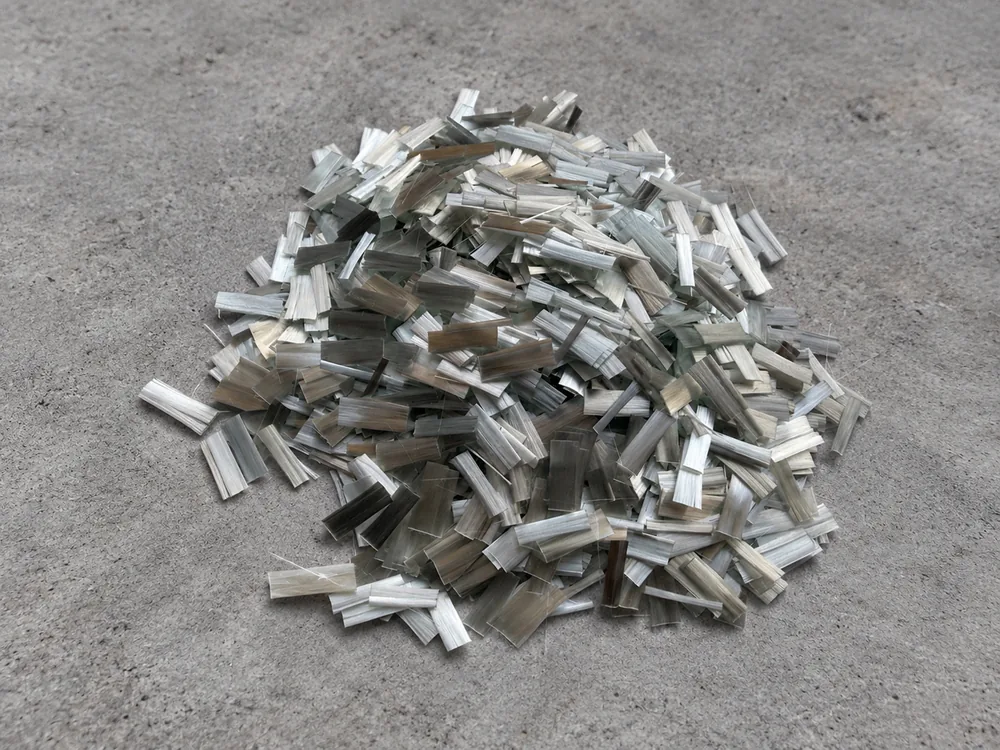
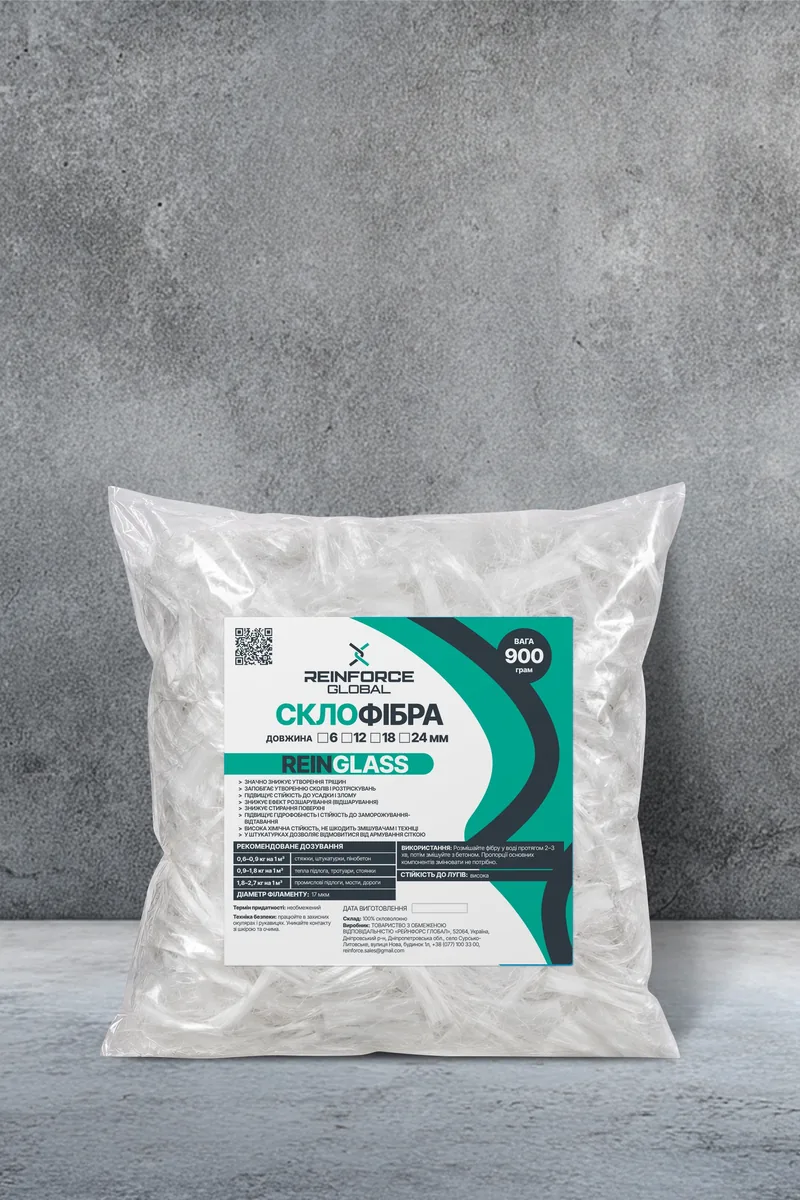
ReinGlass chopped glass fiber 6, 12, 18, 24 mm
Fine glass fiber against shrinkage cracks in screeds, plasters and dry mixes.
Certificates and compliance
ISO 9001:2015, certificate No. UA.QM.ASCB.057.01-26, valid until February 25, 2029
What is ReinGlass
ReinGlass is a chopped glass fiber with a diameter of 17 µm and a length of 6, 12, 18 or 24 mm. In the mix, it breaks down into thousands of individual filaments and forms a dense three-dimensional network. This network holds the mortar together in the first hours after placing, when rapid drying and settlement cause most cracks.
Glass fiber has a high modulus of elasticity, about three times higher than that of polypropylene. That’s why it holds fresh mortar more rigidly, doesn’t ball up and is almost invisible on the surface. The fibers are coated with an alkali-resistant sizing. ReinGlass doesn’t burn and is unaffected by UV light.
In concrete and cement-based mixes, ReinGlass works best where early crack resistance matters: in screeds, self-leveling floors and non-structural small precast units. For concrete floors that must perform for years and for heat-resistant concrete, ReinBasalt basalt fiber is the better choice, and for reinforcing slabs under load, choose ReinStrong macro fiber.
Specifications
| Filament diameter | 17 µm |
|---|---|
| Length | 6 / 12 / 18 / 24 mm |
| Sizing | alkali-resistant |
| Tensile strength (filament) | 3000 MPa |
| Modulus of elasticity | 72 GPa |
| Density | 2.55 g/cm³ |
| Combustibility | non-combustible |
| Moisture content | < 0.5% |
Technical data sheet (TDS) and quality certificate available on request.
Benefits
Fewer early-age cracks
Holds screeds, plasters and mortars together during early hardening, when most cracks appear.
Invisible on the surface
The fine fibers don't stick out or make the surface fuzzy, so they're suitable for finishing coats.
Stiff fiber
Glass has a modulus of elasticity about three times higher than polypropylene, so it resists plastic shrinkage and settlement better.
Non-combustible
Doesn't burn, rot or rust, and is unaffected by UV light.
For gypsum mixes
Gypsum contains no alkalis, so glass fiber retains its strength there without any limitations.
Good value
Direct-from-manufacturer pricing, no middlemen.
How and where to use ReinGlass
Where to use it
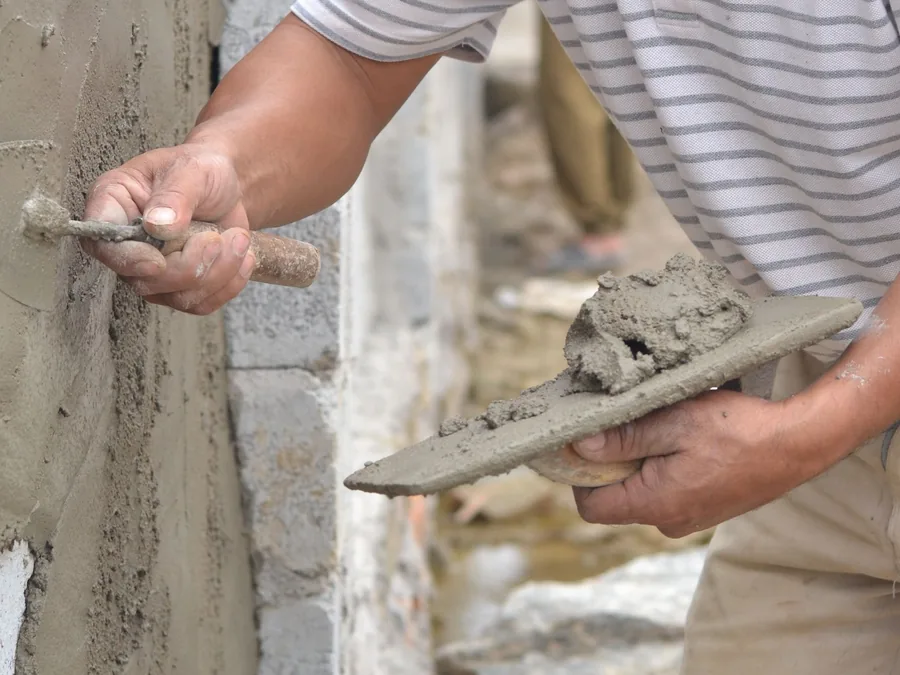
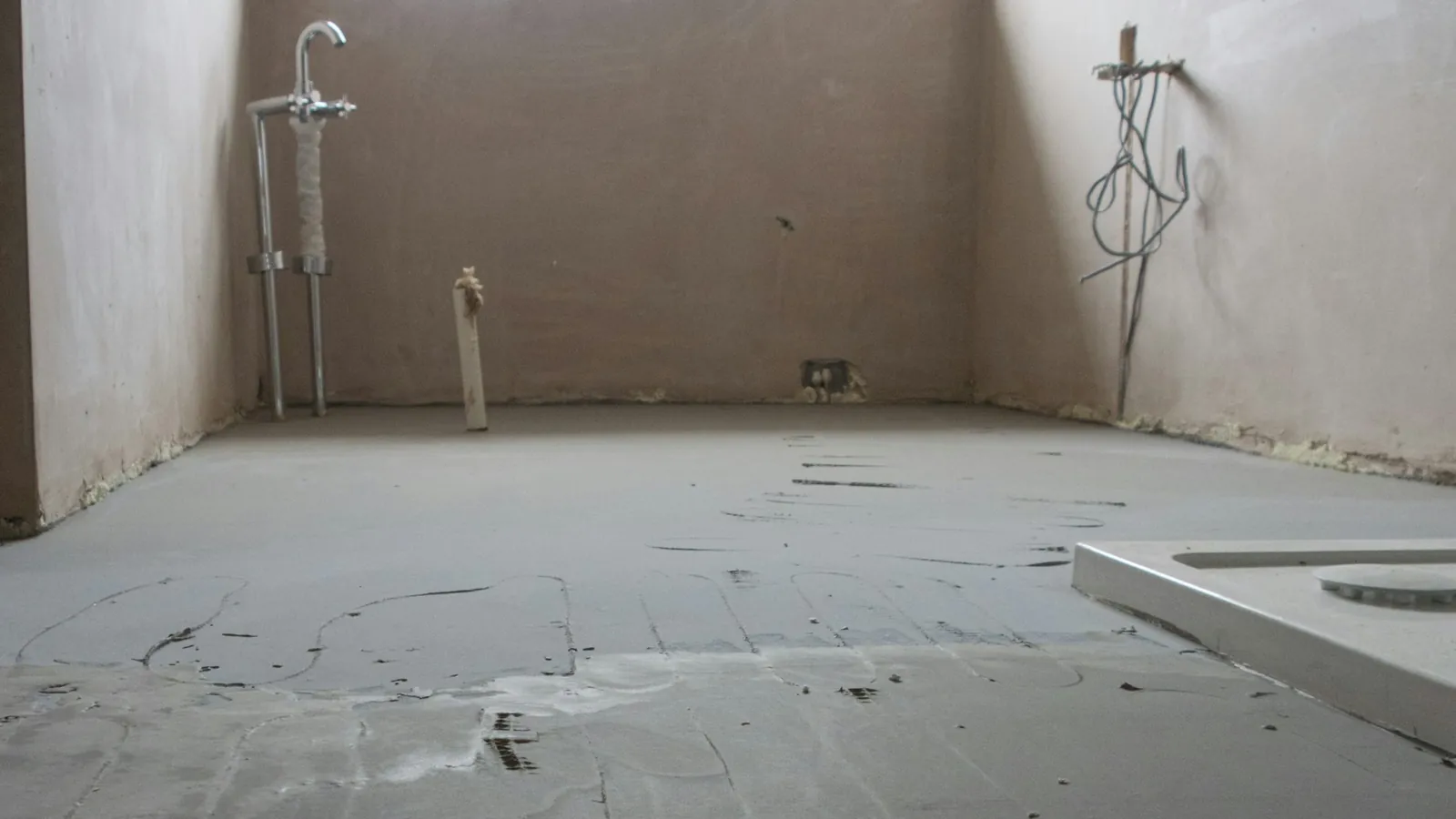
- Sand-cement screeds and self-leveling floors
- Plasters (cement and gypsum), skim coats
- Dry construction mixes, tile adhesives
- Gypsum products: decor, moldings, boards
- Non-structural small precast units
Recommended dosage
| Application | Dosage |
|---|---|
| Screeds | 0.6–1 kg/m³ |
| Plasters, dry mixes | 0.1–0.3% of the dry mix weight |
| Gypsum products | 0.5–2% of the gypsum weight |
The exact dosage depends on loads, thickness, concrete grade and subbase. We will match it to your project.
How to add it to concrete
- Add the fiber to the dry mix or together with the sand and mix until it is evenly distributed.
- Then add water and mix for another 2–3 min. Don't overmix, or the fibers will start to clump.
- There is no need to change the mix design or the amount of water.
- Safety: the fibers can cause temporary mechanical itching of the skin. Wear gloves, safety glasses and long sleeves.
- Storage: in a dry place, in the original packaging.
ReinGlass documentation
Click a document to enlarge it.
Further reading on ReinGlass
-
Polypropylene Fiber for Screed: Dosage and How to Mix It
How much polypropylene fiber to add to screed and heated floors: dosage per m³, per m² and per bag of dry mix, worked examples, and how to mix it in. -
How to Choose Concrete Fiber: Micro vs Macro, Glass, Basalt
How to choose fiber for concrete, screed and plaster: micro vs macro, polypropylene vs basalt or glass fiber, and which product fits your job. -
Concrete Fiber Dosage: How Much Fiber to Add per m³
How much fiber to add per m³ of concrete: dosage tables for ReinStrong, ReinFlex, ReinLite, ReinGlass and ReinBasalt in floors, screed and plaster.
ReinGlass FAQ
How is ReinGlass different from ReinLite?
Both fibers work against shrinkage cracks. ReinGlass is stiffer, less visible on the surface and non-combustible. ReinLite is fully alkali-resistant.
Will the fibers be visible on the surface after troweling?
No. Glass fiber filaments are very fine, and during mixing they separate and distribute evenly through the mortar. So the surface stays smooth after troweling, with no fuzz. Glass fiber doesn't interfere with painting, skim coating or tiling.
Become a ReinGlass distributor
We are looking for distributor partners in new markets and look forward to your request. Tell us about your company and market, and we will be glad to help with your order, the right fiber range and delivery to your country.
- Our own production
- Export to 15 EU countries
- Help with orders and delivery to your country
Other Reinforce fibers
ReinLite
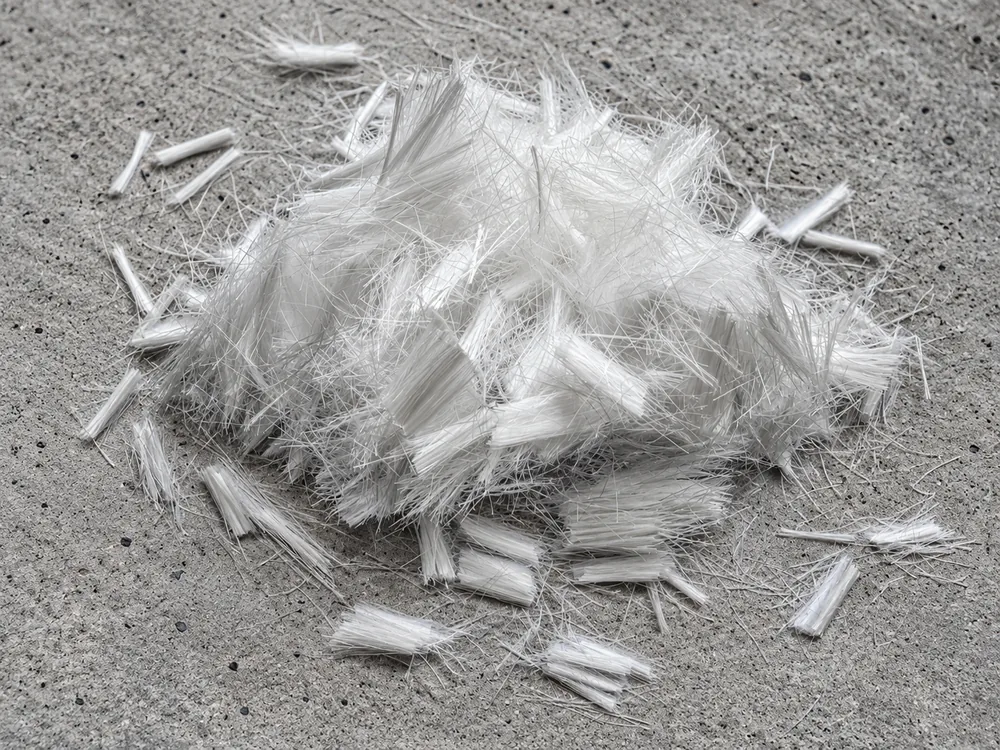
Millions of fine fibers against shrinkage cracks in concrete, screed and plaster.
Learn more →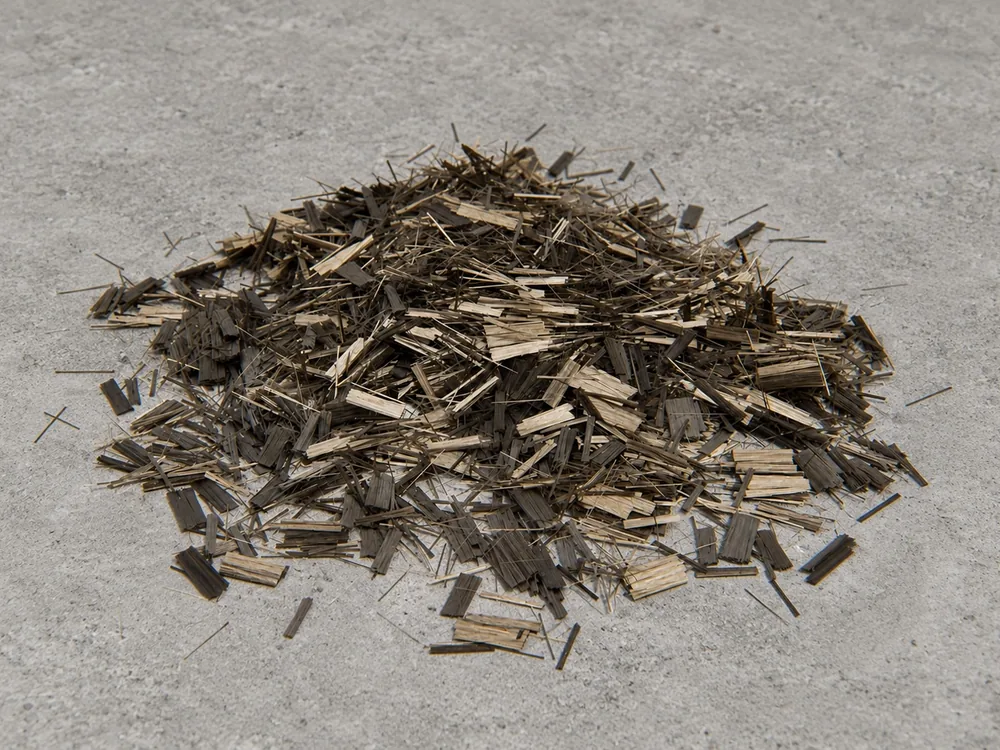
ReinBasalt
Mineral fiber made from volcanic rock. Strong, non-combustible, doesn't float or settle.
Learn more →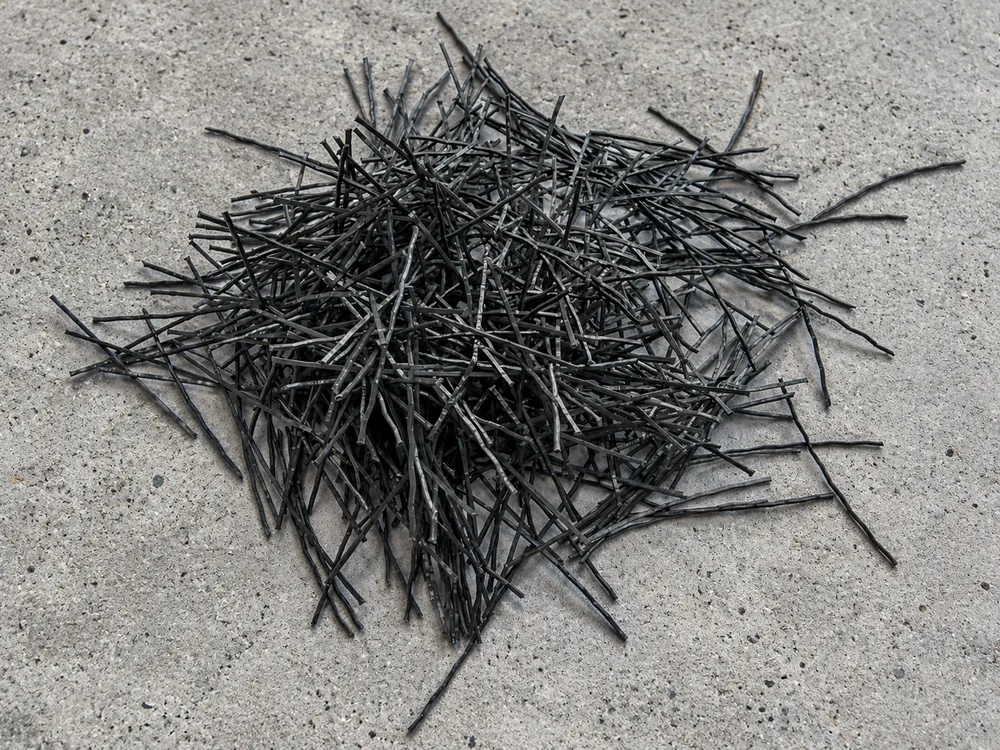
ReinStrong
Macro fiber for concrete reinforcement. Replaces steel mesh in floors and slabs on grade.
Learn more →