Concrete Fiber Dosage: How Much Fiber to Add per m³
Reinforce Global ·
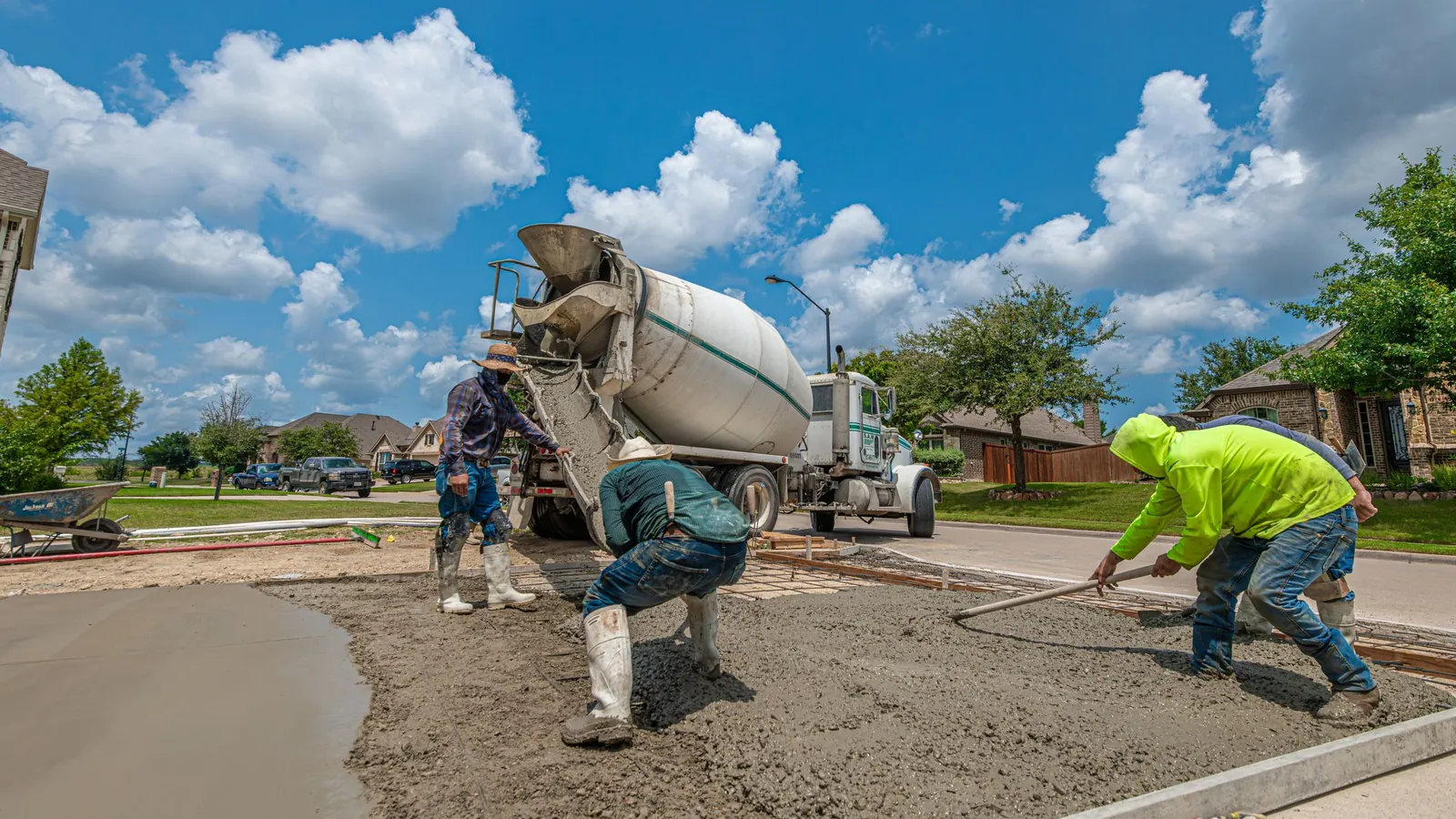
How much fiber to add to concrete depends on the fiber type and the job. Micro fiber against shrinkage cracks in concrete and screed usually takes up to 1.5 kg per m³, while ReinStrong macro fiber ranges from 2–3 kg/m³ in light-duty slabs on grade to 6–8 kg/m³ in shotcrete. The ReinStrong DoP dose that provides fR1 ≥ 1.5 MPa and fR4 ≥ 1.0 MPa is 4.5 kg/m³, and the design dose for a specific slab is set by an engineer.
Below are the dosages of all five of our products exactly as they appear on the product pages, with a plain explanation of how to use them.
How to calculate fiber consumption
Fiber is dosed in kilograms per m³ of finished concrete or mortar. For plasters, dry mixes and gypsum, the dosage is also given as a percentage of the dry mix or gypsum weight.
volume (m³) × dosage (kg/m³) = fiber (kg)
For a small batch, remember that a dosage of 1 kg/m³ equals 1 g of fiber per liter of mix.
Each range shows how much fiber is usually added for that job. The exact value within the range depends on the load, the thickness, the concrete grade and the subbase. For structural reinforcement, the dosage comes from a design calculation.
Macro fiber: ReinStrong and ReinFlex dosage
Macro fiber reinforces hardened concrete: the fibers “stitch” a crack and keep it from opening.
ReinStrong
ReinStrong is a structural polypropylene macro fiber, a monofilament 40 mm long.
| Application | Dosage |
|---|---|
| Slabs on grade, light-duty floors | 2–3 kg/m³ |
| Industrial floors, outdoor paved areas | 4–5 kg/m³ |
| Precast concrete | 5–6 kg/m³ |
| Shotcrete | 6–8 kg/m³ |
DoP dose (fR1 ≥ 1.5 / fR4 ≥ 1.0 MPa): 4.5 kg/m³.
ReinFlex
ReinFlex is a twisted anchoring macro fiber, 38 mm long, for floors under dynamic loads.
| Application | Dosage |
|---|---|
| Slabs and screeds with higher performance requirements | 1.8–3 kg/m³ |
| Industrial floors, roads | 3–5 kg/m³ |
| Shotcrete, precast concrete | 4–7 kg/m³ |
What 4.5 kg/m³ means, and when fiber replaces steel mesh
For ReinStrong, the DoP dose that provides fR1 ≥ 1.5 MPa and fR4 ≥ 1.0 MPa is 4.5 kg/m³. fR1 and fR4 are the residual flexural tensile strength of fiber concrete after cracking: fR1 at a crack opening of 0.5 mm, and fR4 at 3.5 mm. They are measured to EN 14651, and they are the values an engineer uses when including fiber in a slab design. We show how this test works in our article on the CMOD test to EN 14651.
The lower doses in the tables, such as 2–3 kg/m³ of ReinStrong for light-duty slabs on grade, are for non-structural use: the fiber controls shrinkage cracking rather than carrying a design load. The fR1 and fR4 values declared in the DoP apply to the 4.5 kg/m³ dose, so a lower dose is not a replacement for steel mesh.
Even 4.5 kg/m³ is not a ready-made dose for every floor. Whether a slab can do without steel mesh, and how much fiber that takes, is decided by a design calculation for its load and thickness. For ReinFlex, the design dose is likewise set by an engineer. In load-bearing structures (suspended slabs, beams, columns), fiber does not replace structural rebar without engineering calculations; it supplements it. Read more in fiber vs steel mesh for concrete floors.
Micro fiber: ReinLite, ReinGlass and ReinBasalt dosage
Micro fiber works mainly against shrinkage cracks that form in the first hours and days after placing. ReinLite micro fiber replaces neither rebar nor steel mesh: to reinforce hardened concrete, you need macro fiber.
ReinLite
ReinLite is a polypropylene micro fiber. The 3 mm length suits plasters, dry mixes and adhesives, 12 mm suits screeds and concrete, and 24 mm suits concrete with coarse aggregate.
| Application | Dosage |
|---|---|
| Concrete, slabs | 0.6–0.9 kg/m³ |
| Screeds, underfloor heating | 0.9–1.5 kg/m³ |
| Plasters, dry mixes, adhesives | 0.6–1 kg/m³ (or 0.1–0.2% of the dry mix weight) |
| Fire protection of concrete | 1–2 kg/m³ |
ReinGlass
ReinGlass is a glass fiber for screeds, plasters, dry mixes and gypsum.
| Application | Dosage |
|---|---|
| Screeds | 0.6–1 kg/m³ |
| Plasters, dry mixes | 0.1–0.3% of the dry mix weight |
| Gypsum products | 0.5–2% of the gypsum weight |
ReinBasalt
ReinBasalt is a basalt fiber for industrial and polished floors, screeds, roads and heat-resistant concrete.
| Application | Dosage |
|---|---|
| Screeds, paving slabs | 0.6–1.5 kg/m³ |
| Industrial floors | 1.5–2.5 kg/m³ |
| Roads, bridges, outdoor paved areas | 1.8–3 kg/m³ |
| Dry mixes | ~1 kg per 100 kg of cement |
Worked examples
- Screed. 50 m² × 0.05 m = 2.5 m³ of mortar. At a ReinLite dosage of 0.9–1.5 kg/m³, you need about 2.3–3.8 kg of fiber.
- Concrete slab against shrinkage cracks. 100 m² × 0.15 m = 15 m³ of concrete. At a ReinLite dosage of 0.6–0.9 kg/m³, you need 9–13.5 kg of fiber.
- Slab with macro fiber by design. If the slab design calls for a ReinStrong dosage of 4.5 kg/m³, the same 15 m³ needs 67.5 kg of fiber.
- Plaster. A 25 kg bag of dry mix at a ReinGlass dosage of 0.1–0.3% needs 25–75 g of fiber.
Round the result up and keep a small reserve: on an uneven base, the real screed thickness is often greater than planned.
Screed and bags of dry mix
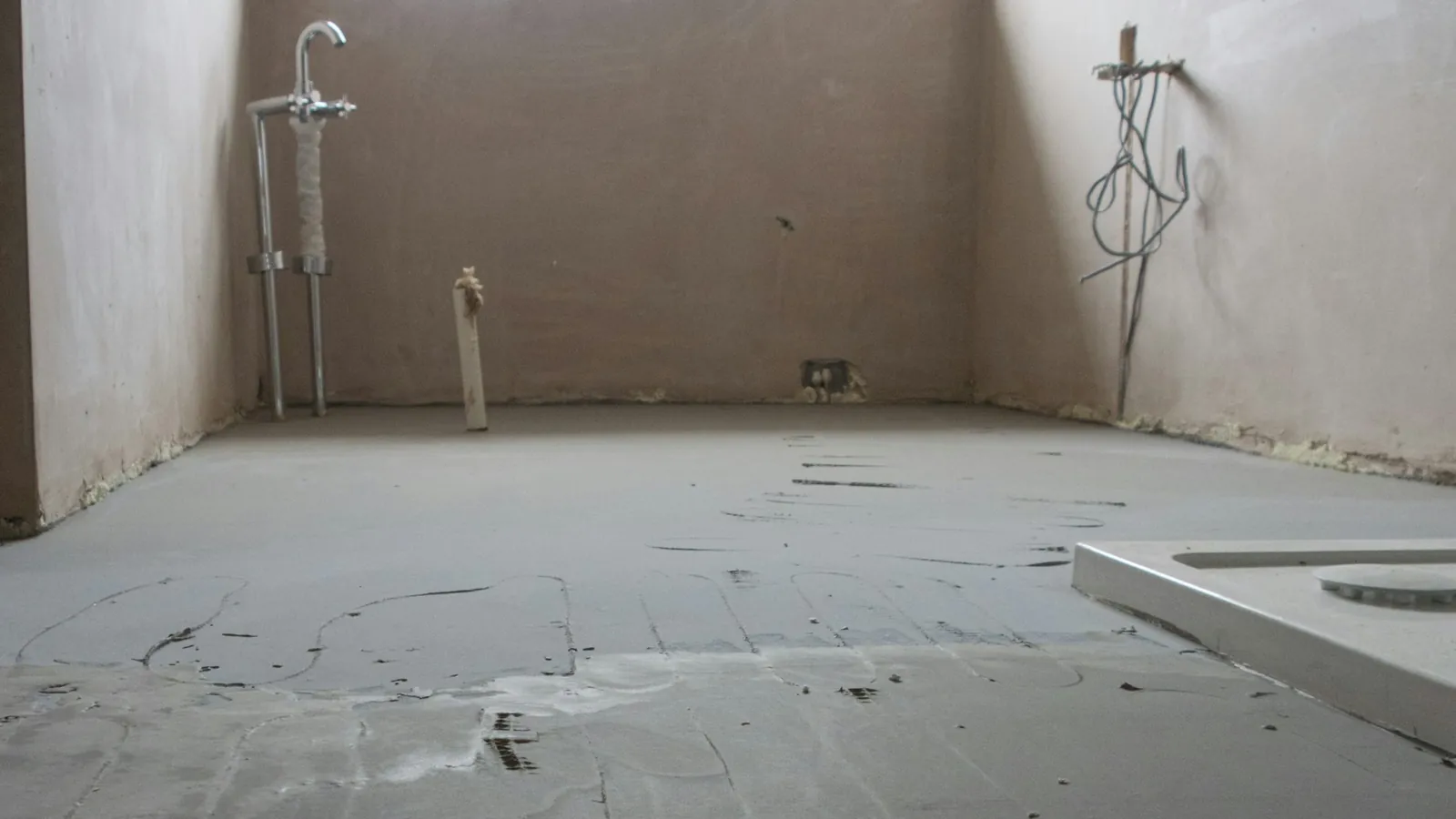
For screed and underfloor heating, ReinLite is dosed at 0.9–1.5 kg/m³, which is 0.9–1.5 g per liter of mortar. How to work out the fiber per bag of dry mix from the mortar yield, and how to mix it in properly, is covered in detail in polypropylene fiber for screed.
How to add fiber so the dosage works
- ReinStrong and ReinFlex. At the batching plant, add the fiber together with the aggregates or with the first portion of water. If you add it to ready-mixed concrete in a truck mixer, mix at maximum drum speed for another 5 minutes (at least 70 drum revolutions). Compensate for workability with a superplasticizer (PCE), not with water.
- ReinLite. Add it with the dry components or into the drum, but never dump it into plain water in a single heap. After adding it, mix for at least another 3–5 minutes.
- ReinGlass. Add it to the dry mix or together with the sand. After adding water, mix for 2–3 minutes and no longer.
- ReinBasalt. Add it to dry components only. At the batching plant, extend the mixing cycle by 45–90 seconds.
Before your first project with macro fiber, make a trial batch.
Which fiber to choose
If you haven’t settled on a fiber type yet, start with how to choose concrete fiber. In short:
- reinforcing floors and slabs on grade in place of steel mesh, confirmed by calculation: ReinStrong or ReinFlex;
- shrinkage cracks in screed and concrete: ReinLite;
- plasters, dry mixes and gypsum: ReinGlass;
- polished floors and heat-resistant concrete: ReinBasalt.
We are looking for distributor partners. Contact us, and we will help with dosage questions, orders and delivery to your country.
In short: questions and answers
How much fiber do I need per m³ of concrete?
It depends on the fiber and the job. ReinLite micro fiber for concrete and slabs is dosed at 0.6–0.9 kg/m³. ReinStrong macro fiber ranges from 2–3 kg/m³ for light-duty slabs on grade to 6–8 kg/m³ for shotcrete. The ReinStrong DoP dose, which provides fR1 ≥ 1.5 MPa and fR4 ≥ 1.0 MPa, is 4.5 kg/m³.
How much macro fiber replaces steel mesh?
The ReinStrong DoP dose, which provides fR1 ≥ 1.5 MPa and fR4 ≥ 1.0 MPa, is 4.5 kg/m³. The lower doses in the table are for non-structural use and do not replace steel mesh. Whether your slab can do without steel mesh, and at what dosage, is decided by an engineering calculation.
How much fiber does screed take?
For screed and underfloor heating, ReinLite micro fiber is dosed at 0.9–1.5 kg per m³ of mortar. For a 50 m² screed 5 cm thick (2.5 m³), that is about 2.3–3.8 kg of fiber.
How much fiber should I add to plaster?
ReinGlass glass fiber is dosed at 0.1–0.3% of the dry mix weight, and ReinLite micro fiber at 0.1–0.2%. For a 25 kg bag of dry mix, that is 25–75 g of ReinGlass or 25–50 g of ReinLite.
How do I convert kg/m³ into grams per liter?
A dosage of 1 kg/m³ equals 1 g of fiber per liter of mix. For example, at 0.9 kg/m³, a 100-liter batch of mortar takes 90 g of fiber.