What Is Polypropylene Fiber? How It Works in Concrete
Reinforce Global · · updatedOctober 19, 2026
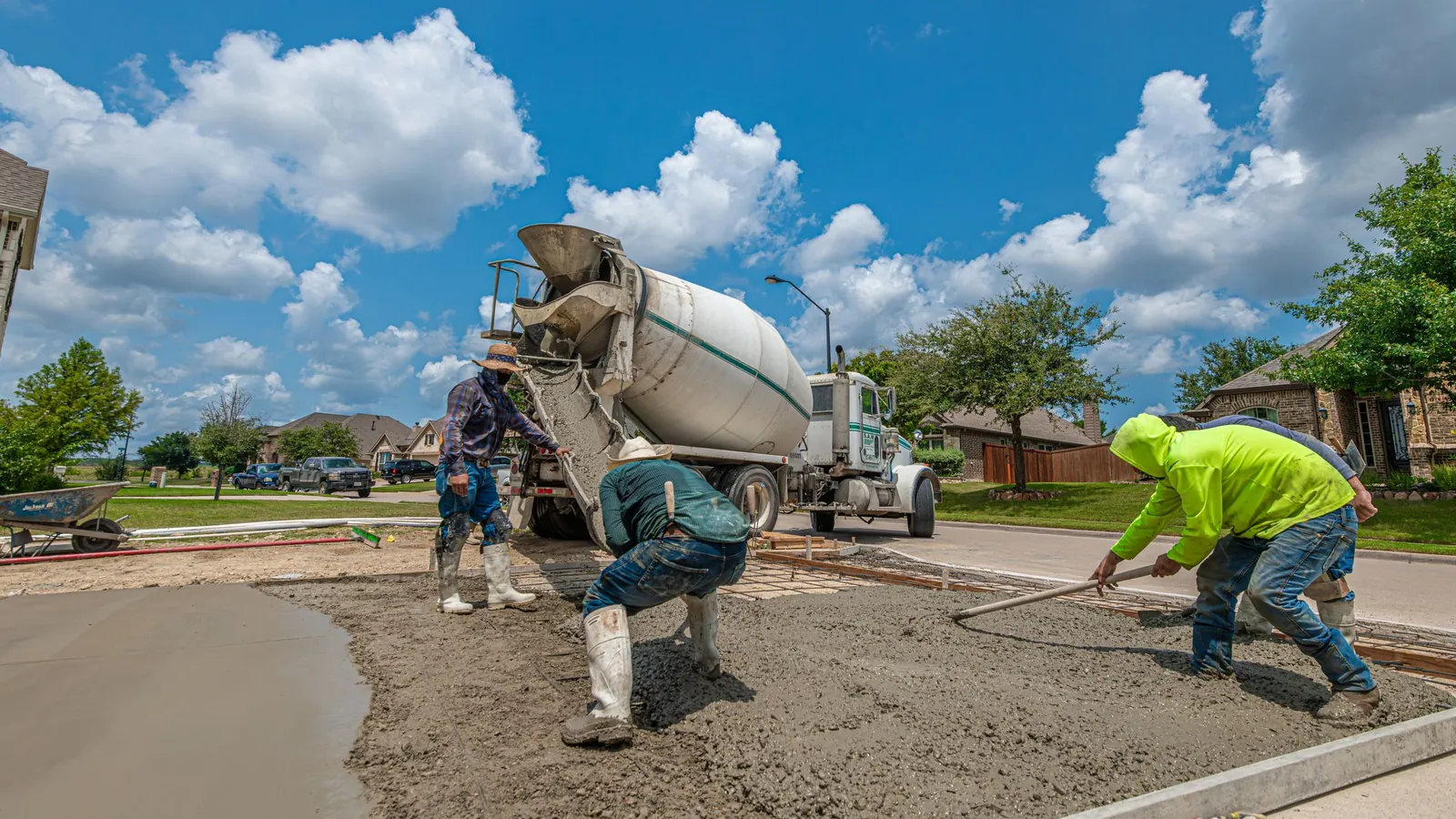
Polypropylene fiber consists of short synthetic fibers added to concrete, screed or mortar. During mixing, they spread through the whole mix. Some protect fresh concrete from cracking, others keep carrying the load after a crack has formed.
What polypropylene fiber is made of
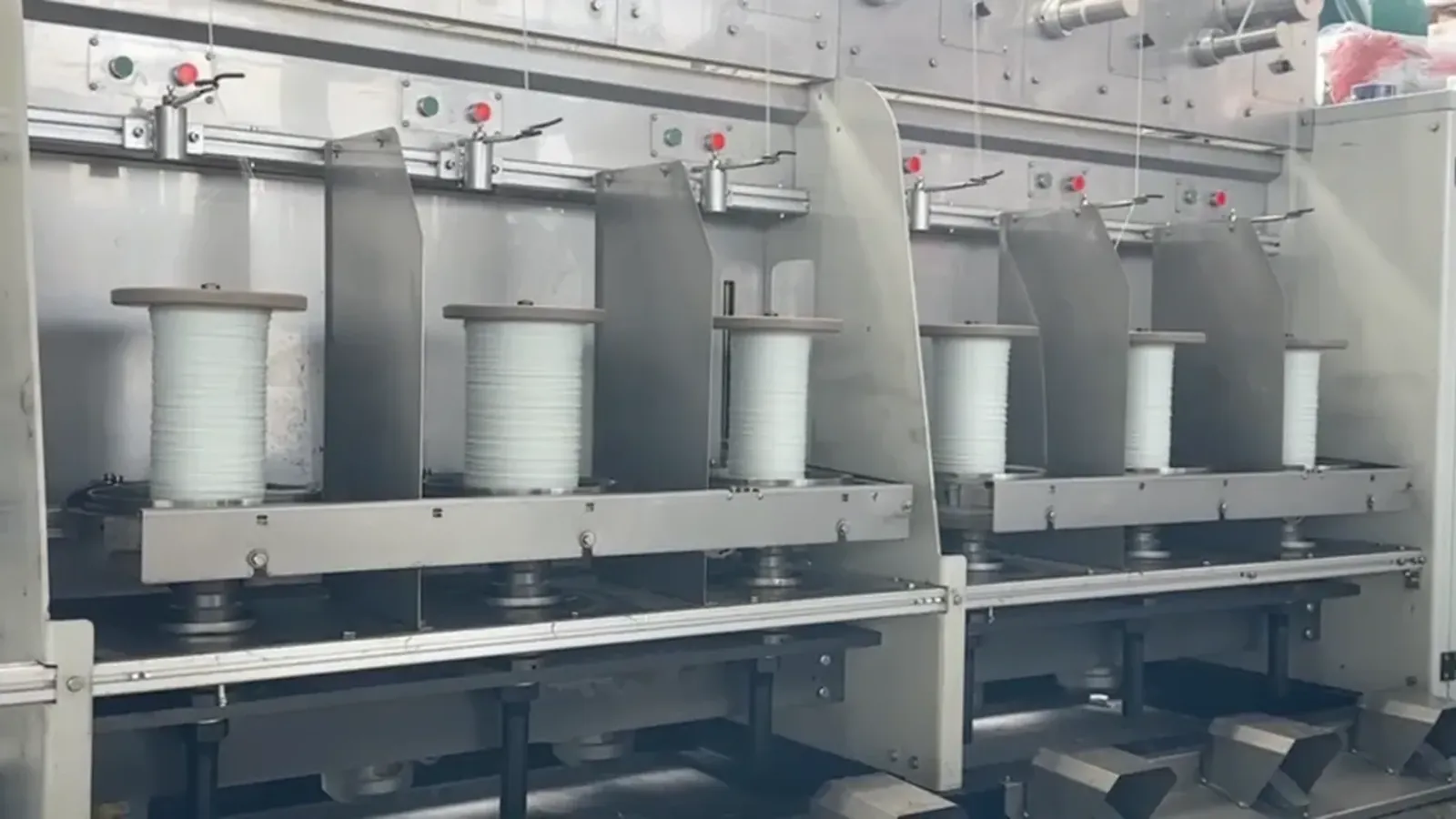
Polypropylene is a common polymer, also used for water pipes and food containers. To make fiber, polypropylene pellets are melted, drawn into filaments and cut to length.
For concrete, a few properties matter. Polypropylene does not rust or break down in alkaline cement. It does not absorb water (water absorption is zero), so it does not “steal” water from the mix. With a density of 0.91 g/cm³, it is lighter than water. At around 160 °C it melts, which is both a benefit and a limitation (see below).
Micro and macro: two different fibers
There are two types, and they do different jobs. Choosing between them, and when to pick glass or basalt, is covered in how to choose concrete fiber. Here are just the numbers for our products.
| ReinLite micro fiber | ReinStrong macro fiber | |
|---|---|---|
| Fiber diameter | 20 µm | 0.8 mm (equivalent) |
| Length | 3, 12 or 24 mm | 40 mm |
| Fibers in 1 kg | hundreds of millions | ~62,000 |
| When it works | first hours, while the mix is plastic | in hardened concrete under load |
| Typical dose | 0.6–1.5 kg/m³ | 2–8 kg/m³ |
How fiber works in fresh concrete
The first hours after placing are the most vulnerable time for concrete. The mix is still plastic and has almost no strength, while water evaporates from the surface. The top layer shrinks and a web of fine cracks appears: this is plastic shrinkage.
The second problem is settlement. Heavy particles sink, water rises to the top (this is called bleeding), and the mix settles unevenly. Cracks can then form above the rebar.
Here micro fiber acts as a 3D framework: hundreds of millions of fine fibers per kilogram hold the mix together and reduce segregation and bleeding. The result is fewer shrinkage cracks and a more even, stronger surface.
Fiber does not replace curing. The fresh surface still needs protection from fast drying: cover it with plastic sheeting or keep it moist.
How fiber works in hardened concrete
In hardened concrete, the cement matrix carries the load at first. But concrete is weak in tension, and sooner or later a crack forms. Plain concrete simply cracks open.
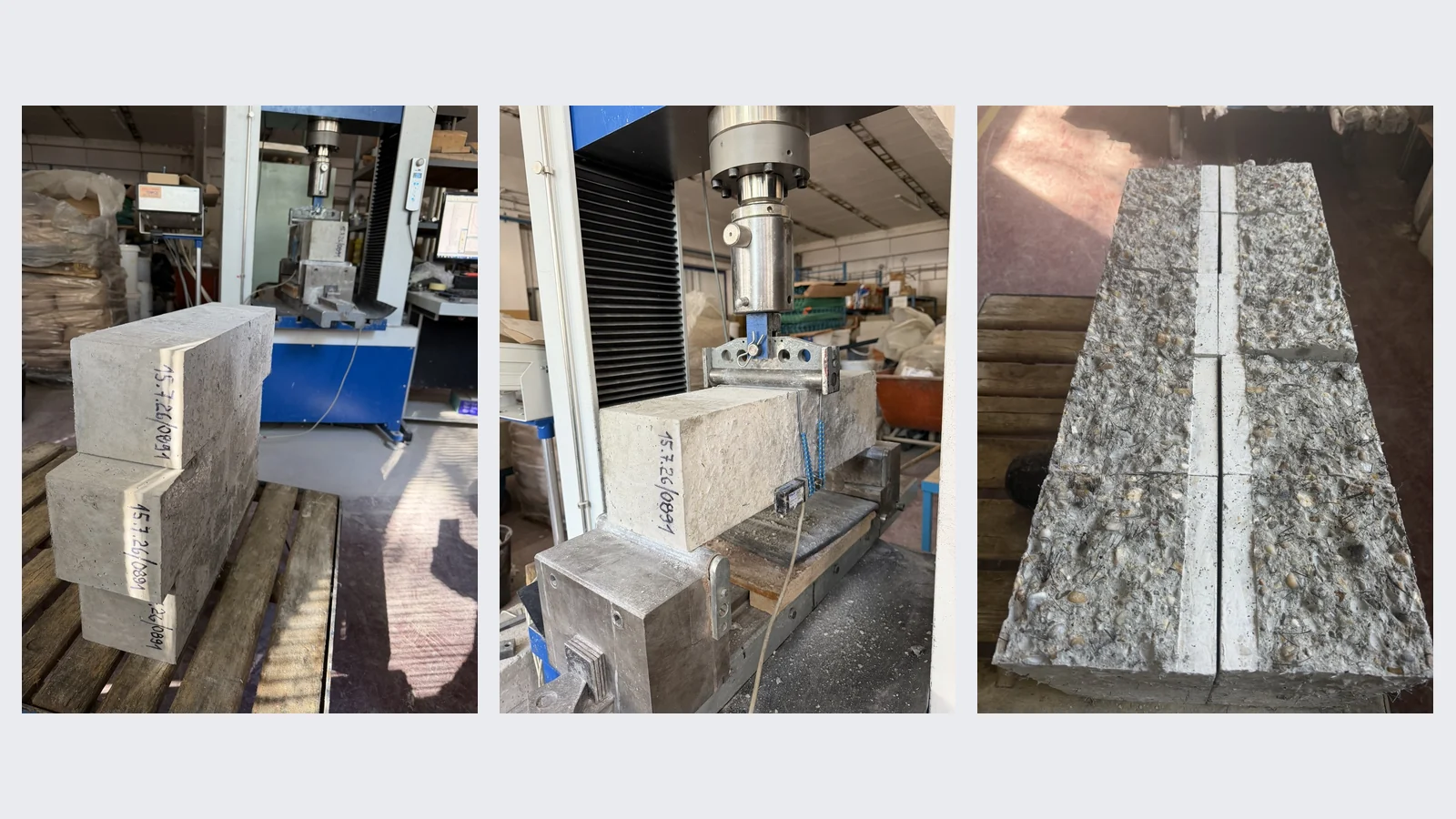
Macro fiber “stitches” the crack together. Thick, stiff fibers cross it, stay anchored on both sides and keep it from opening. The concrete keeps carrying load even after the first crack.
This post-crack performance is measured under EN 14651 as residual flexural strength fR1 and fR4. Engineers use these values in slab design. For example, the DoP dose of ReinStrong that provides fR1 ≥ 1.5 MPa and fR4 ≥ 1.0 MPa is 4.5 kg/m³.
A fiber needs a good bond so it does not slip out. ReinStrong gets it from a ribbed, wavy surface. ReinFlex is twisted into a bundle and works like an anchor: pulling it out takes much more energy than with a straight fiber.
Micro fiber carries almost no load in hardened concrete: it is too fine.
Benefits of polypropylene fiber
- No corrosion. No rust stains and no spalling of the concrete cover, so the fiber suits aggressive environments, salts and chemicals.
- Reinforcement throughout the volume. Steel mesh works in one plane and often shifts during the pour; fiber is spread from the bottom of the slab to the surface.
- Light and safe. Bags of a few kilograms, fibers that don’t cut workers’ hands, and less wear on pumps and hoses than with steel fiber.
- Fire protection. When heated, micro fiber melts and leaves channels through which steam escapes. Concrete then spalls less and does not fail explosively. This approach is provided for in Eurocode 2 (EN 1992-1-2).
- Freeze-thaw resistance. Micro fiber reduces capillary microcracks, so the concrete stands up better to water and frost.
Limits and common myths
“Fibers will stick out of the surface.” Micro fiber has almost no effect on the look of the surface. Macro fiber is barely visible with proper finishing: trowel as late as possible, use magnesium (not wooden) floats and keep the blades flat. ReinFlex’s gray color also masks any fibers that come up.
“Fiber replaces all rebar.” Micro fiber replaces neither rebar nor steel mesh. Macro fiber replaces steel mesh in floors and slabs on grade when this is confirmed by calculation. In suspended slabs, beams, columns and other load-bearing structures, it only supplements the structural rebar. More on this in fiber vs steel mesh for concrete floors.
“More fiber is always better.” Beyond the right dose, the mix just gets stiffer, harder to place and prone to clumps. Even at a normal dose, macro fiber slightly reduces slump, so compensate with a superplasticizer, not water: extra water weakens concrete.
“Fiber raises the concrete strength class.” Compressive strength class is set by the mix design, not by fiber. Fiber does a different job: fewer cracks and, with macro fiber, post-crack load capacity.
Heat. For micro fiber, melting is a benefit. Macro fiber stops working as reinforcement in a fire, so the fire resistance of the structure must be covered by the design.
Where to use ReinLite, ReinStrong and ReinFlex
| Job | Product | Dose |
|---|---|---|
| Screed, underfloor heating | ReinLite 12 mm | 0.9–1.5 kg/m³ |
| Plasters, adhesives, dry mixes | ReinLite 3 mm | 0.6–1 kg/m³ |
| Fire protection of concrete | ReinLite | 1–2 kg/m³ |
| Slabs on grade, light-duty floors | ReinStrong | 2–3 kg/m³ |
| Industrial floors, outdoor paved areas | ReinStrong | 4–5 kg/m³ |
| Floors under forklifts and racking | ReinFlex | 3–5 kg/m³ |
ReinFlex has a dual action. During mixing, the bundle opens up: the fine filaments stop plastic shrinkage, while the thicker fibers reinforce the hardened concrete. That’s why in floors a single product replaces both micro fiber and steel mesh.
Example: a private house
- Garage slab on grade, 6 × 4 m, 12 cm thick. Volume: 6 × 4 × 0.12 = 2.88 m³. At a ReinStrong dose of 2–3 kg/m³ (non-structural use, against shrinkage cracking), you need 5.8 to 8.6 kg. Replacing steel mesh requires a slab design calculation. The ReinStrong DoP dose that provides fR1 ≥ 1.5 MPa and fR4 ≥ 1.0 MPa is 4.5 kg/m³, about 13 kg for this slab.
- Underfloor heating screed, 80 m², 6 cm thick. Volume: 80 × 0.06 = 4.8 m³. At a ReinLite 12 mm dose of 0.9–1.5 kg/m³, you need 4.3 to 7.2 kg.
Screed dosage and mixing, step by step, are covered in polypropylene fiber for screed.
To protect screed, plaster or concrete from shrinkage cracks, start with ReinLite. For slabs on grade and floors without steel mesh, look at ReinStrong, and for floors under impact and forklift traffic, at ReinFlex. We are looking for distributor partners: contact us, and we will help with orders, dosage questions and delivery to your country.
In short: questions and answers
What is polypropylene fiber?
It consists of short polypropylene fibers added to concrete, screed or mortar. Micro fiber reduces shrinkage cracks in the fresh mix, while macro fiber reinforces hardened concrete and can replace steel mesh in slabs on grade.
Does polypropylene fiber rust in concrete?
No. Polypropylene does not corrode and resists the alkalis in cement, so the fiber leaves no rust stains and does not damage the concrete cover.
Does polypropylene fiber replace rebar?
Micro fiber replaces neither rebar nor steel mesh. Macro fiber replaces steel mesh in floors and slabs on grade when this is confirmed by calculation, but not the structural rebar in suspended slabs, beams and columns.
How much polypropylene fiber per cubic meter of concrete?
ReinLite micro fiber is usually dosed at 0.6–1.5 kg/m³, depending on the job. ReinStrong macro fiber ranges from 2–3 kg/m³ for light-duty slabs to 6–8 kg/m³ for shotcrete.
Can you see the fiber on the concrete surface?
Micro fiber has almost no effect on the look of the surface. Macro fiber is barely visible with proper troweling: as late as possible, with magnesium floats and flat blades.